• The Legacy of the Hubertus House

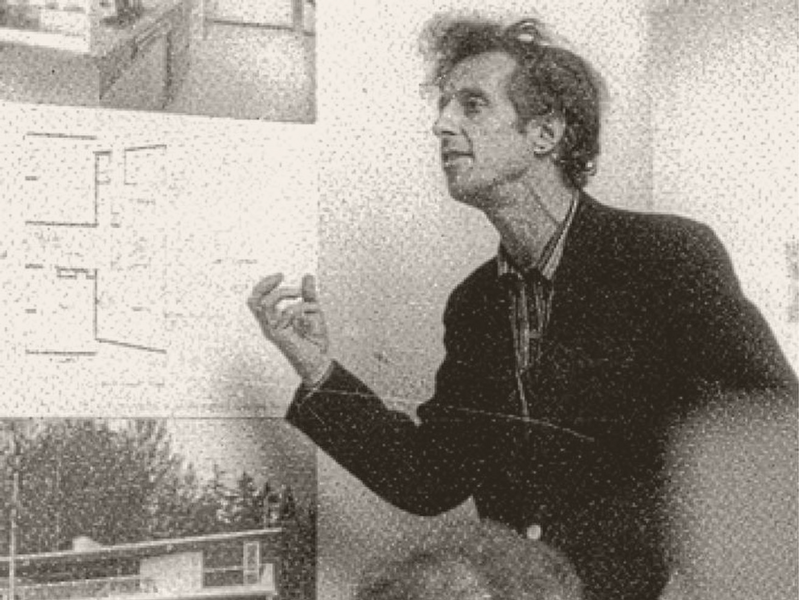
Aldo van Eyck

About the architect

Aldo van Eyck (1918–1999) was a Dutch architect who reshaped the way people think about buildings and cities. After the Second World War, when much of Europe was rebuilding, Van Eyck argued that architecture should not only provide shelter but also create a sense of community and belonging.

He became famous for designing hundreds of playgrounds across Amsterdam, turning leftover urban spaces into places of joy and connection for children. His work, full of color, geometry, and imagination, reflected his belief that architecture could bring people together and make daily life more enjoyable.
The history of a national landmark

Origins of the Hubertushuis

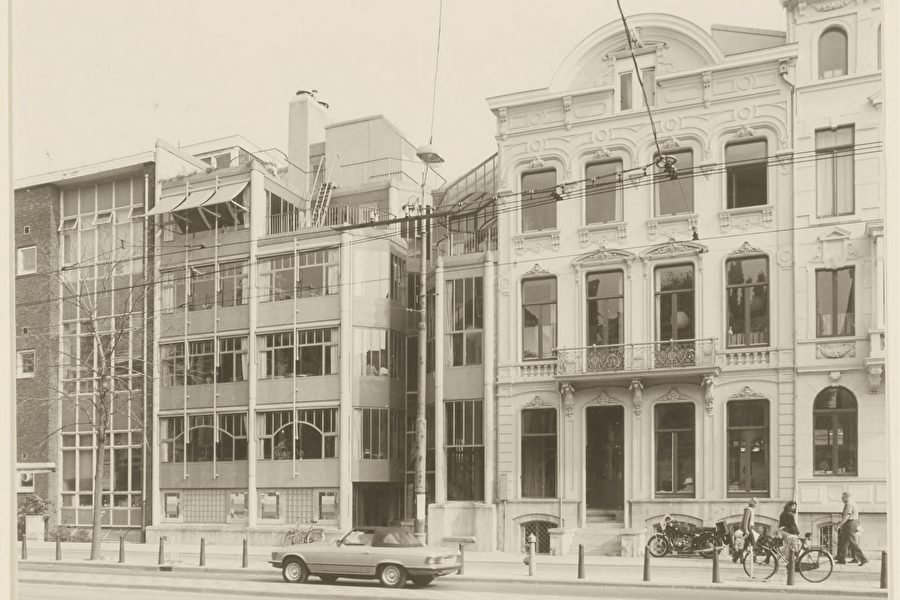
The Hubertushuis, also known as the Moederhuis (Mother's house), was designed in the 1970s by Aldo van Eyck and Theo Bosch. Built as a progressive refuge for vulnerable women and mothers, it opened in 1978.

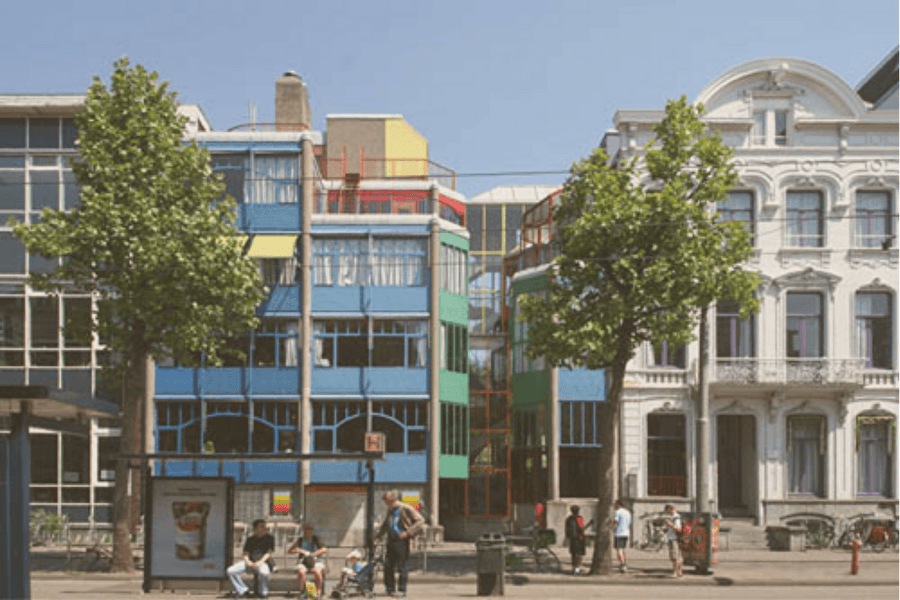
Unlike traditional institutions that hid residents behind closed façades, Van Eyck created a kaleidoscopic building of glass, color, and openness — reflecting the vision of Annie van Roijen-Wortmann of the Hubertus Association, who strongly believed in visibility and integration into the city.

A home for mothers and children

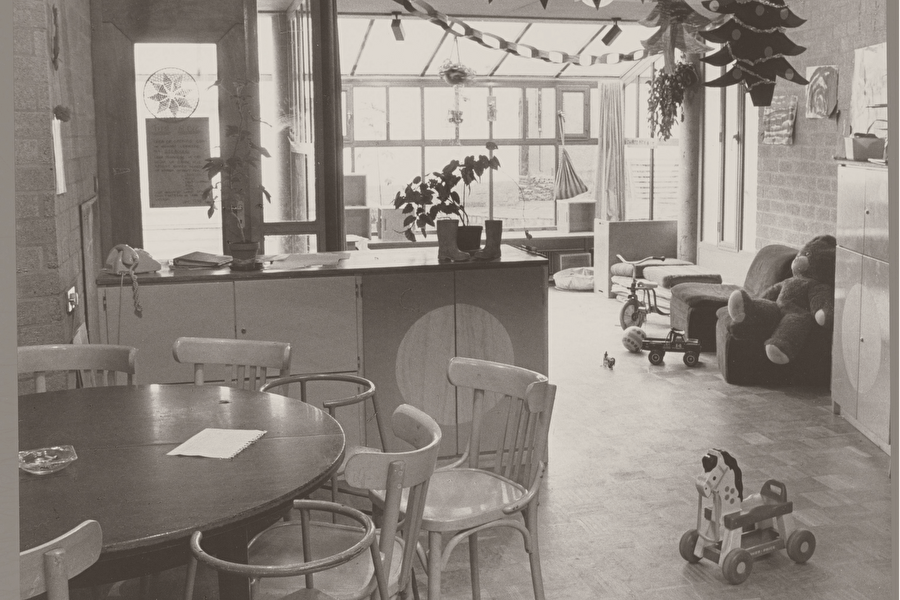
The Hubertushuis offered temporary housing for mothers children. More than just a shelter, it was designed as a true home — a safe and nurturing environment where women could live together with their children during difficult times.

Within its walls they found privacy, community, and social support whenever needed. The building embodied the idea that architecture could provide not only protection, but also dignity and a sense of belonging.

Architecture of color and connection

Van Eyck’s design was rooted in his belief that architecture should foster human interaction and community. Instead of a rigid layout, he created flowing spaces that encouraged contact and openness.

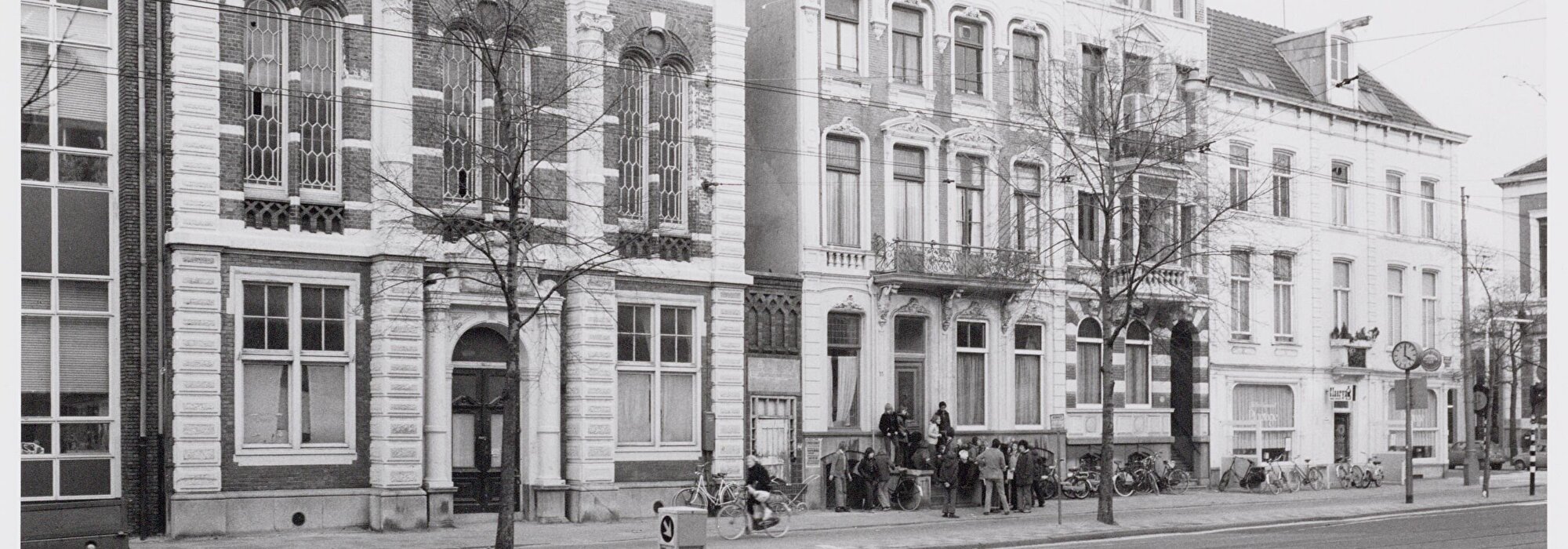
The six-story building filled a gap in the 19th-century and was connected to two restored historic townhouses. Its striking “rainbow-colored” façade, playful geometry, and split-level interiors made the Hubertus House stand out as both a protective refuge and a vibrant architectural statement.


From refuge to hotel

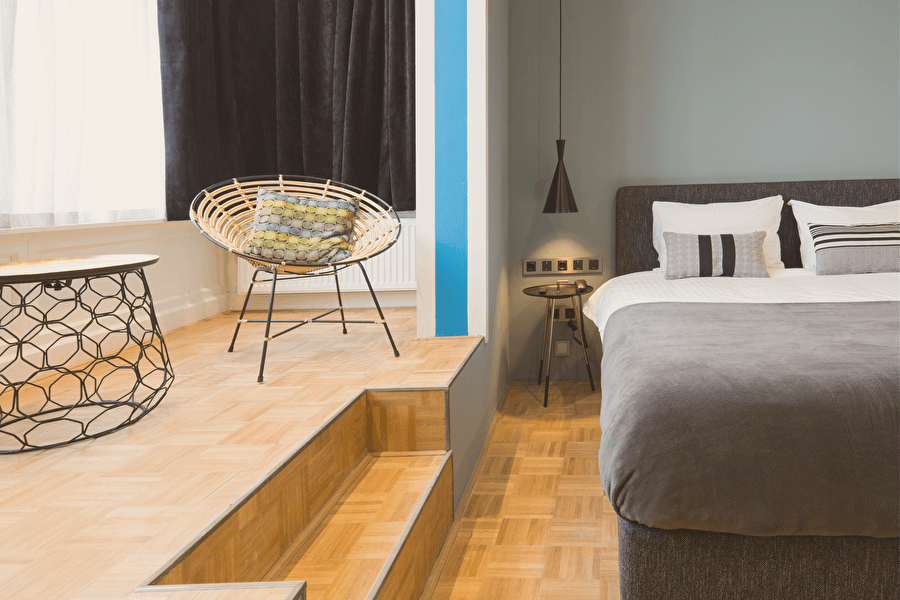
After serving for decades as a social refuge for mothers and children, the Hubertushuis eventually stood empty for several years. In 2018, the building was carefully restored and transformed into Quentin Zoo Hotel, giving it a new purpose while preserving its architectural significance.

Today, guests can enjoy a comfortable stay in the heart of Amsterdam while experiencing a monument that tells a unique story of care, community, and design, combining history and hospitality.

Book now